If you are thinking about buying a condo in The Gulch as a long-term investment, it helps to look past the view and the finishes. A sleek unit in a popular building can still underperform if the lease rules are tight, the reserves are weak, or the monthly costs are not built into your plan. The good news is that The Gulch offers a strong mix of walkability, downtown access, and ongoing investment that can support a thoughtful buy-and-hold strategy. Let’s break down what matters most.
Why The Gulch Draws Long-Term Interest
The Gulch stands out because it blends residential living with a polished mixed-use setting. Official neighborhood and tourism materials describe it as a walkable district with high-rise condos, boutique hotels, shops, breweries, live music venues, and varied dining, all just south of downtown Nashville.
That kind of environment can help support long-term demand because people often want convenience built into daily life. When you own in a place where renters and future buyers value access, activity, and a strong neighborhood identity, the location itself can become part of your investment case.
The Gulch also benefits from organized neighborhood stewardship. The Gulch Business Improvement District covers 91 acres and focuses on keeping the district clean, safe, active, and attractive, while the neighborhood has also been recognized as the first in the South to earn LEED-ND certification.
Infrastructure Matters Over Time
Long-term investing is not only about what The Gulch is today. It is also about what public planning and infrastructure may support over time.
Nashville’s parks department describes downtown greenways as part of a planned 23-mile urban loop intended to connect transit stops, bikeways, neighborhoods, parks, schools, and business districts. In addition, the Mid-Gulch planning study notes increased development pressure and highlights the potential for policies that emphasize mobility, infrastructure improvements, open-space connections, and public benefits.
For you as an investor, that civic backdrop matters. It does not guarantee appreciation, but it can support the kind of neighborhood durability that many long-term buyers want to see before committing capital.
Continued Capital Attention in The Gulch
Another piece of the long-term story is continued investment in and around the submarket. Public hotel-pipeline data for Davidson County shows several high-end projects in or near The Gulch, including Pendry Nashville Hotel & Residences, The Nashville Downtown EDITION, The Ritz-Carlton Nashville, Courtyard by Marriott Nashville The Gulch, and TownePlace Suites by Marriott Nashville The Gulch.
Hotel development is not the same thing as condo performance, but it can signal sustained interest from major players. When you see continued capital flowing into a district, it can reinforce the perception that the area remains a priority location within the broader Nashville market.
Tenant Demand Starts With Convenience
If your plan is to hold a Gulch condo as a rental, tenant appeal should be a major part of your strategy. The neighborhood’s biggest draw for long-term renters is lifestyle convenience, especially walkability, access to dining and entertainment, and a polished urban setting.
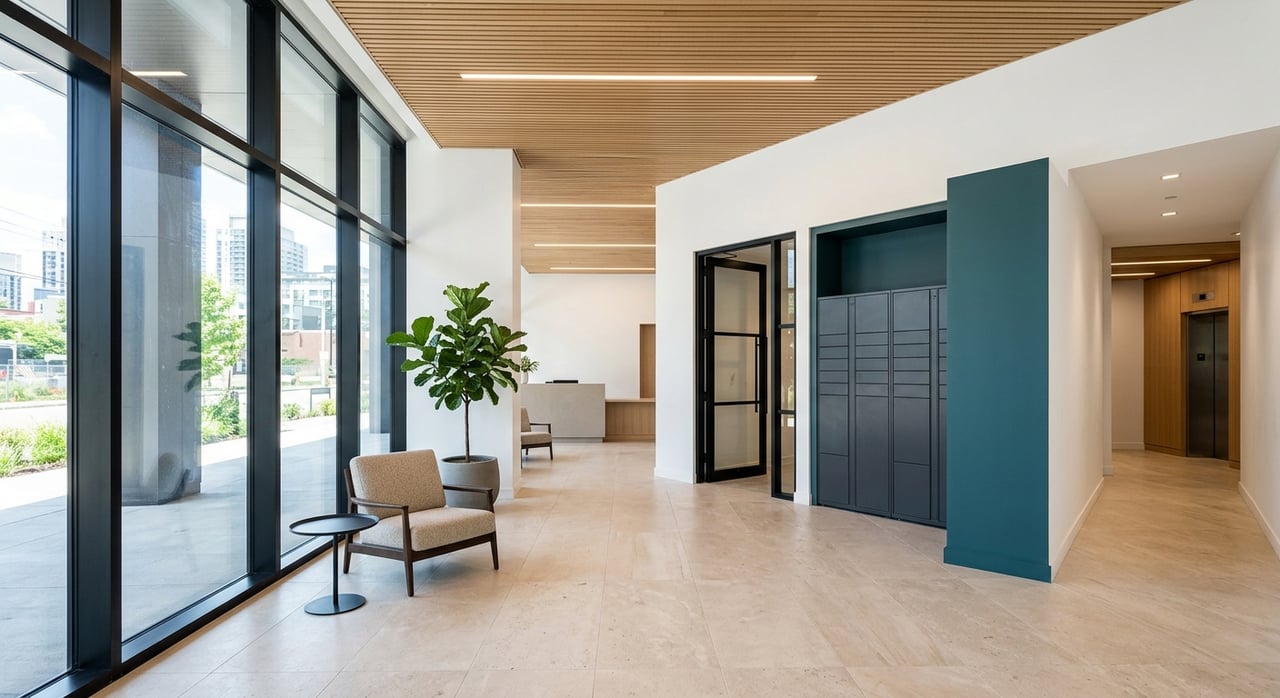
In practical terms, the most helpful building features are often the least flashy ones. Secure parking, package handling, strong building management, and usable common areas can do a lot to reduce friction for busy renters and second-home users.
That means your investment decision should not focus only on interior finishes. In many cases, the smoother the day-to-day living experience, the easier it may be to support leasing demand over a full hold period.
Plan for Long-Term Leasing First
In Nashville, the line between long-term leasing and short-term rental activity is important. The city classifies a rental of less than 30 continuous days as short-term rental property, and a permit is required before listing. By contrast, a residential unit rented to the same occupant for more than 30 continuous days is not considered short-term rental property.
That makes the 30-day threshold a key planning point if you are considering a Gulch condo. If your strategy is long-term investing, it often makes sense to underwrite the property as a conventional rental rather than as a hospitality-style asset.
Tennessee’s Healthy Homes guidance notes that most renters sign a lease agreement and pay rent monthly throughout the year. It also notes that the Uniform Residential Landlord and Tenant Act applies in Tennessee counties with populations over 75,000, which includes the legal backdrop many Nashville landlords work within.
Read the Declaration Before You Buy
One of the biggest mistakes condo investors make is assuming all buildings in the same neighborhood have similar leasing rules. In Tennessee, condominium declarations must include any restrictions on use, occupancy, and transfer, which means leasing rules are building-specific rather than neighborhood-wide.
The practical takeaway is simple: read the declaration first. Then review the bylaws and any rules and regulations.
That order matters because Tennessee law gives the declaration priority if there is a conflict. So even if a building looks investor-friendly at first glance, the actual governing documents control what you can and cannot do.
Older and Newer Buildings May Differ
The Gulch includes buildings from different periods of development, and that can affect governance language. Tennessee’s condominium act applies to condominiums created after January 1, 2009, while some provisions also apply to older projects for events after that date without overriding existing master deeds, declarations, bylaws, or plats.
For you, that means two buildings on nearby blocks may operate very differently. Leasing flexibility, board structure, maintenance duties, and amendment procedures may vary more than you expect.
HOA Health Can Make or Break Returns
When you invest in a condo, you are not just buying the unit. You are also buying into a shared financial structure.
Tennessee condo associations can adopt budgets for revenues, expenditures, and reserves, collect assessments, hire managers and contractors, regulate common elements, and impose late charges or reasonable fines. Associations are generally responsible for common-element maintenance, repair, and replacement, while owners are generally responsible for their units unless the declaration says otherwise.
That directly affects your monthly cash flow. HOA dues, reserve funding, insurance, taxes, management costs, vacancy, and the possibility of special assessments should all be built into your numbers from the start.
Why Reserve Studies Deserve Attention
Reserve studies are especially important in long-term condo investing. Tennessee law now treats reserve studies as a core condo-governance tool, with the goal of helping maintain a fully funded repair-and-replacement reserve and minimizing special assessments.
For qualifying boards, the reserve study must be updated every five years, the board must review reserve funding annually, and the study should be available to owners through email or a community website. That gives you a useful diligence tool when comparing buildings.
A building with higher dues but stronger reserves may be safer over a long hold period than a building with lower dues and deferred maintenance. Lower monthly fees can look attractive at first, but they do not always mean lower long-term risk.
Delinquent Dues Can Affect Transactions
You should also pay attention to unpaid assessments and fines. Tennessee condominium associations have a lien for unpaid assessments or fines, and the statute provides a six-year window to begin enforcement proceedings.
For buyers and sellers, this matters because delinquent dues or special assessments can affect closing timing, refinance plans, and net proceeds. It is another reason building-level diligence matters just as much as neighborhood appeal.
Watch for Development Rights in Phased Projects
In newer or phased projects, the final shape of a development may still evolve. Tennessee law allows declarants to reserve development rights such as adding real estate, creating units or common elements, or withdrawing real estate, if those rights are disclosed in the declaration.
In a neighborhood like The Gulch, where ongoing development remains part of the story, that is worth reviewing carefully. Future changes within a project can affect density, common elements, views, and the overall ownership experience.
A Practical Gulch Investment Framework
If you want a simple way to evaluate a Gulch condo as a long-term hold, focus on three layers at once: the neighborhood, the building, and the numbers.
1. Assess the neighborhood story
Ask whether the broader location supports durable demand. In The Gulch, the strongest points are walkability, downtown adjacency, mixed-use energy, neighborhood stewardship, greenway connectivity, and continued hospitality investment.
2. Review the building rules
Confirm what the declaration, bylaws, and rules actually allow. Pay close attention to leasing restrictions, occupancy terms, transfer fees, owner responsibilities, and any special procedures that could affect future flexibility.
3. Study the financial posture
Look beyond dues alone. Review reserve strength, budget trends, maintenance responsibilities, possible capital needs, and whether the building appears positioned to reduce special-assessment risk over time.
4. Underwrite conservatively
Run the numbers with realistic assumptions for vacancy, management costs, insurance, taxes, HOA dues, and reserves. If you plan to outsource leasing or collections, remember that Tennessee requires the managing party to be a licensed real estate agent when negotiating rents, deposits, or related real estate activities, and the property management company itself must be licensed with an active principal broker.
The Best Gulch Buys Are Usually Balanced
In The Gulch, a strong long-term investment is rarely just about buying the most upgraded unit or the highest floor. The better opportunity is often the condo where the location story, leasing rules, building management, and reserve structure all align.
That is why experienced condo guidance matters so much in this neighborhood. A beautiful address may get your attention, but the declaration, the HOA financial posture, and the day-to-day building experience are often what protect your investment over time.
If you want help comparing Gulch condos through an investor lens, Kindy Hensler brings deep high-rise experience, neighborhood knowledge, and a concierge approach that can help you evaluate the details with confidence.
FAQs
What makes The Gulch appealing for long-term condo investment?
- The Gulch offers walkability, downtown access, mixed-use amenities, organized neighborhood stewardship, and continued development interest, which can support long-term demand.
What lease length counts as long-term rental use in Nashville?
- In Nashville, a rental to the same occupant for more than 30 continuous days is not considered short-term rental property.
Why are Gulch condo leasing rules different from building to building?
- Tennessee law requires condominium declarations to include restrictions on use and occupancy, so leasing policies are set at the building level rather than the neighborhood level.
What HOA documents should you review before buying a Gulch condo?
- You should review the declaration first, then the bylaws and rules and regulations, because the declaration generally controls if there is a conflict.
Why do reserve studies matter in Gulch condo investing?
- Reserve studies help associations plan for repair and replacement costs, support healthier reserve funding, and may reduce the risk of special assessments over time.
What should you include in Gulch condo cash-flow planning?
- Your analysis should include HOA dues, reserve funding, property taxes, insurance, management costs, vacancy, and the possibility of special assessments.