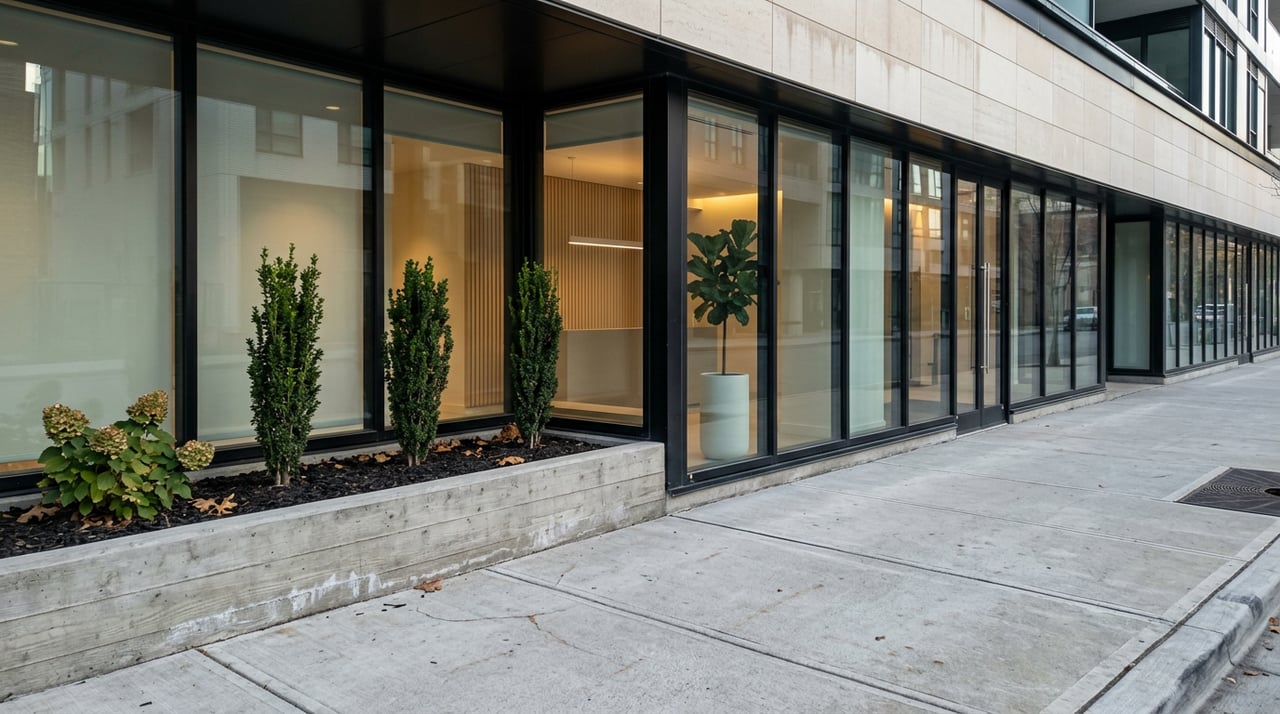
Thinking about listing your Gulch condo as a short-term rental? You are not alone. The convenience and demand can be appealing, but the rules are complex and strictly enforced. In The Gulch, you must satisfy both Metro Nashville requirements and your building’s condominium documents before you host a single night. This guide breaks down what matters, how to check your building, and the steps to stay compliant. Let’s dive in.
Metro rules for STR condos
Metro Nashville and Davidson County require eligible short-term rentals to register or obtain a permit through the Metro Codes program. Your ability to operate can depend on zoning, building codes, and use classification for the property. You must also follow local standards for safety, occupancy, noise, trash, and parking. Metro can issue fines, suspend or revoke permits, and pursue civil penalties for violations.
Short-term rental revenue is taxable. Operators are responsible for collecting and remitting applicable state and local taxes. You may also need a business license or local business tax account, depending on how you operate. Always confirm current requirements directly with Metro Codes, Metro Finance, and the Tennessee Department of Revenue.
HOA rules can limit STRs
Condo associations often set stricter rules than the city. Your building’s declaration, bylaws, and recorded rules control how you can use your unit. Many associations either prohibit short stays or require a minimum lease term, commonly 30 days or more. Others allow STRs with conditions like owner registration, proof of permits, and a local contact.
The key point is simple: a Metro permit does not override private condominium restrictions. If the declaration prohibits transient occupancy or imposes a minimum lease length, that private rule governs your use of the unit.
The Gulch condo realities
High-rise communities in The Gulch typically prioritize controlled access, quiet enjoyment, and predictable building activity. Many buildings use minimum lease terms, require advance registration for any rental, and limit guest access to common areas. Boards may also set occupancy, parking, and noise standards for short stays.
Expect firm enforcement. Associations can levy fines, require corrective action, and, when needed, seek injunctive relief. Before you plan on STR income, confirm your building’s current policy and any pending amendments.
Step-by-step compliance checklist
- Review recorded documents
- Obtain the condominium declaration, bylaws, and current HOA rules and regulations.
- Look for leasing clauses, rental definitions, and amendment procedures.
- Confirm HOA policy and enforcement
- Request an estoppel letter or resale certificate for any outstanding issues or restrictions.
- Ask the manager for current policies, registration forms, fines, and examples of enforcement.
- Check Metro requirements
- Contact Metro Codes about STR permitting for condo units and how zoning may apply.
- Confirm safety, occupancy, and application standards, plus any appeal process.
- Understand tax obligations
- Register with the Tennessee Department of Revenue as needed for sales and related taxes.
- Determine how local occupancy or hotel taxes apply and who remits them.
- Confirm insurance coverage
- Ask your insurer whether your current condo policy covers STR activity.
- Consider a short-term rental endorsement or a commercial STR policy with adequate liability limits.
- Prepare operations and house rules
- Designate a reliable local contact to respond to issues within the timeframe your HOA requires.
- Create guest rules for noise, parking, trash, and common areas. Keep records of bookings and communications.
- If STRs are prohibited
- Consider longer-term leases or owner-occupation.
- If you explore changes or clarifications, consult a qualified real estate or condominium attorney.
- Consider professional management
- An experienced STR manager can coordinate registration, guest communication, compliance, and tax processes.
Typical HOA conditions you may see
- Minimum lease term that eliminates nightly stays.
- Full prohibition of transient occupancy.
- Owner-occupancy requirements.
- Pre-registration with the HOA, including a local contact and proof of permits.
- Guest limits by unit type, plus parking rules and quiet hours.
- Insurance requirements that name the HOA as additional insured.
- Fines for violations, plus suspension of amenity access for repeated issues.
Penalties and risks to avoid
- Operating without required permits can lead to Metro fines and other administrative penalties.
- Violating HOA rules can trigger per-violation fines, stop-use letters, and legal action.
- Insurance coverage can be voided if you fail to disclose STR activity, which can leave you exposed to uninsured liability.
Investor due diligence in The Gulch
- Read the declaration and bylaws for rental definitions and any minimum terms.
- Request HOA records on enforcement and any approved STR registrations.
- Ask about owner-occupancy percentages or any caps on rental units.
- Verify insurance, deposits, parking, and guest procedures required for renters.
- Review board meeting minutes for potential policy changes or pending amendments.
When STRs are not allowed
If your building bans STRs, you still have options. Many owners pivot to 30-day or longer leases, furnished corporate rentals, or personal use. If you want to evaluate an amendment or a rule clarification, speak with a local attorney who understands condominium law and your building’s amendment procedures.
Work with a local expert
Navigating Metro rules and building-level restrictions takes local insight and careful planning. If you are buying, selling, or leasing a condo in The Gulch, you deserve guidance from someone who lives this market daily and understands high-rise operations, HOA documents, and investor strategy. For a clear, concierge plan tailored to your goals, connect with Kindy Hensler.
FAQs
Can you run an Airbnb in a Gulch condo?
- You need two approvals. First, comply with Metro Nashville permitting and tax rules. Second, your condo’s declaration and HOA rules must allow short-term leasing. If the HOA prohibits it, you cannot operate even with a Metro permit.
Do HOA rules override Metro Nashville STR permits?
- Yes. Private covenants and recorded condominium documents govern how you can use your unit. A Metro permit does not cancel a declaration that prohibits transient occupancy or sets minimum lease terms.
What taxes apply to short-term rentals in The Gulch?
- Short-term rentals are subject to state and local taxes. Determine what you must collect and remit, and confirm registration steps with the Tennessee Department of Revenue and Metro Finance.
What if my condo declaration is silent on STRs?
- If the declaration does not address STRs, the board may still regulate leasing through rules adopted under its authority. Ambiguity can lead to disputes, so consult the HOA and, if needed, a qualified attorney.
How do HOAs enforce bans or rules on STRs?
- Common tools include fines, stop-use letters, suspension of privileges, and court action. Boards often monitor platforms, respond to neighbor complaints, and coordinate with property management.
Will platforms block listings if my HOA prohibits STRs?
- Platforms typically rely on hosts to confirm they have the right to rent. They do not usually verify private covenants in advance, so enforcement often starts with HOA action or platform policies triggered by complaints.