Eyeing a condo in The Gulch but unsure if you should rent first or buy now? You are not alone. With high-rise amenities, walkability, and an urban vibe, this district makes a strong lifestyle case, yet the numbers can feel complex. In this guide, you will see clear cost comparisons, the condo-specific rules that affect financing, and a simple checklist to help you decide with confidence. Let’s dive in.
The Gulch at a glance
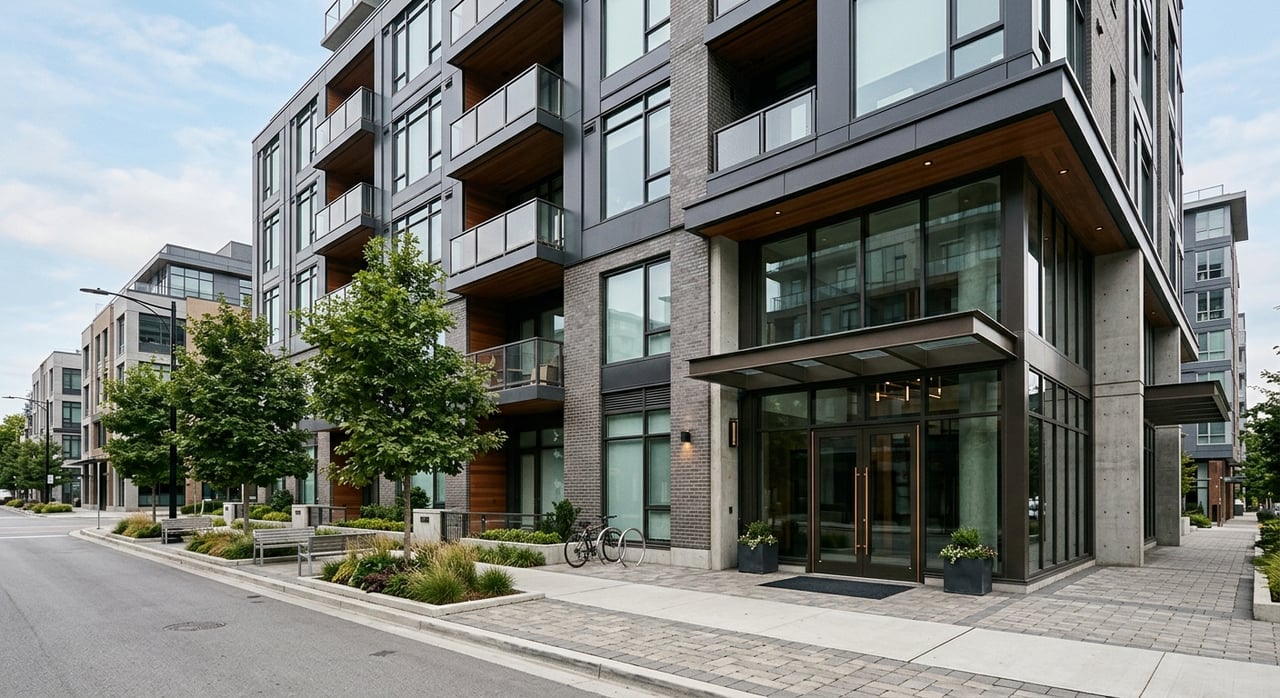
The Gulch is a compact, LEED-certified, highly walkable district just south of downtown Nashville. It blends high-rise condos, hotels, restaurants, and retail, with many addresses scoring in the “Very Walkable” range. You can get a feel for the neighborhood’s energy through the city’s overview of The Gulch.
A few quick realities shape the rent-versus-buy decision:
- The area is renter heavy with a smaller share of owners.
- Building-by-building pricing varies widely.
- HOA dues and property taxes matter more here than in many suburban settings.
Buying and renting costs
Before you choose, get familiar with typical cost ranges for Gulch condos.
Purchase prices
Listing aggregators show a broad range. Recent neighborhood medians land around the low to mid $600Ks, with one-bedrooms often trading from the upper $300Ks to $700Ks, many two-bedrooms roughly $600K to $1.4M, and larger or penthouse units above $1M. The exact number depends on the building, floor, view, and amenity package.
Rents
Average monthly rents in the Gulch commonly run about $2,300 to $2,600. One-bedrooms often list around $2,000 to $2,600, and two-bedrooms are frequently $3,000 or more. See current averages from RentCafe’s Gulch trends.
HOA dues
High-rise HOA fees are meaningful here and vary widely by building. You will often see monthly dues in the $600 to $800-plus range in full-amenity towers, with the overall span closer to $300 to $1,200-plus depending on services. Ask what the fee covers, such as concierge, security, pool, building insurance, maintenance, water, trash, cable, reserves, and parking.
Property taxes
Gulch condos are in Metro Nashville/Davidson County. A recent rate example for the Urban Services District is $2.814 per $100 of assessed value, with residential property assessed at 25 percent of appraised value. You can estimate a specific unit’s bill using the Metro trustee’s property tax calculator. Tax bills can change with reappraisals and budget adjustments, so run current numbers for your target home.
Condo insurance
Condo (HO-6) insurance in Tennessee often runs about $400 to $600 per year, or roughly $30 to $50 per month. Your actual premium depends on your coverage limits, the building’s master policy, and deductibles. For a general overview, see this condo insurance cost guide.
Monthly cost example
Here is a simple, illustrative comparison using neighborhood-level assumptions. Always replace these with your lender quote, target building’s HOA, and a current tax estimate.
Ownership example:
- Purchase price: $600,000
- Down payment: 20 percent ($120,000)
- 30-year fixed rate: ~5.98 percent (Freddie Mac weekly average; confirm your quote at Freddie Mac PMMS)
- Loan amount: $480,000 → Principal and interest ≈ $2,872/month
- Property tax: ≈ $352/month (using Metro tax example on a $600K scenario)
- HOA: ≈ $655/month (midpoint for a well-amenitized tower)
- Condo insurance: ≈ $38/month
Total estimated owner outflow: ≈ $3,916/month, not including utilities or any special assessments.
Renting example:
- One-bedroom rents often range $2,000 to $2,600+ per month. Two-bedrooms are commonly $3,000+.
In this case, the owner payment is often higher than renting a similar one-bedroom. The gap narrows as you look at larger units or higher-rent buildings, or if you secure a lower HOA.
Breakeven and price-to-rent
The price-to-rent ratio is a quick signal. Using representative Gulch medians, that ratio often falls near the low 20s, which tends to favor renting on short-term math. Another way to think about it is time. Many rent-versus-buy models show a typical breakeven in the 5 to 7 year range, and in higher price-to-rent neighborhoods like the Gulch, you are often toward the longer end. For a step-by-step framework, try a rent-versus-buy guide like this calculator overview.
Two key takeaways:
- Short stays often favor renting.
- A longer horizon, a lower HOA, or favorable financing can tilt the math toward buying.
When renting fits
Renting can be the smarter move if you:
- Expect to stay fewer than 5 years or want maximum flexibility.
- Want to test buildings, amenities, views, and commute patterns before you commit.
- Prefer to keep cash liquid for other goals instead of tying up a large down payment.
- Plan to watch interest rates or prices for a potential buy later.
When buying fits
Buying can make sense if you:
- Expect to hold 5 to 7+ years and want to build equity over time.
- Value predictability, personalization, and access to specific views or floor plans.
- Can secure strong financing and a unit with a manageable HOA for your budget.
- See lifestyle and long-term appreciation value in this location.
Financing rules for condos
Condo loans add a layer of project review that can affect your options and rate. Knowing these points early saves time and risk.
Warrantable vs non-warrantable
Conventional lenders review each condo project for owner-occupancy, commercial space share, single-entity ownership, reserves, litigation, and HOA health. Projects that meet Fannie Mae or Freddie Mac guidelines are typically “warrantable,” which opens access to standard rates and lower down payments. Ask your lender to run a project eligibility check. You can review Fannie Mae’s selling guide for the overview.
FHA and VA
FHA and VA have their own condo project approval processes. If you plan to use these programs, confirm a building’s approval status up front. FHA also allows limited Single-Unit Approval in some cases. Learn more from HUD’s FHA condo resources.
Down payment options
Some conventional programs allow as little as 3 percent down for qualified buyers, and FHA allows 3.5 percent on eligible condos. In practice, lender overlays for condos may mean you need 5 to 10 percent or more, depending on the building and whether it is a primary residence or investment. Ask your lender to quote options side by side and explain any condo-specific overlays.
HOA due diligence tips
A strong HOA protects value and reduces surprises. Before you commit, request and review:
- Current budget and recent financials
- Reserve study and contribution policy
- Delinquency rate and collection policies
- Insurance declarations and building master policy details
- Board minutes for the past 12 months
- Any pending or recent special assessments
- Rental caps, minimum lease terms, and pet policies
Gaps in reserves, litigation, or high delinquency can limit financing choices and affect resale potential.
Short-term rental rules
If you are considering short-term rentals, do not skip the rules. Metro Nashville requires permits, distinguishes between owner-occupied and non-owner-occupied categories, and limits where new non-owner-occupied permits can be issued. HOAs may also prohibit or restrict STRs. Review Metro’s short-term rental guidance and confirm the building’s bylaws before you buy.
A simple decision checklist
Use this quick framework to choose your path:
- Define your timeline
- Less than 5 years: Renting often wins on flexibility and cost.
- 5 to 7+ years: Buying can work, especially with a manageable HOA and strong financing.
- Map your monthly budget
- Price out ownership with a real lender quote, the building’s actual HOA, a current tax estimate from Metro’s calculator, and condo insurance.
- Compare apples to apples
- Line up similar units by size, view, and amenity tier. Compare a real rent to a real buy in the same building class.
- Check the building’s health
- Review the HOA packet and ask your lender to run a project eligibility check under Fannie Mae guidance.
- Consider your lifestyle goals
- Do you want concierge services, a specific skyline view, or a quiet corner stack? These can be worth paying for if you plan to stay.
- Pressure test the plan
- Use a rent-versus-buy tool like this calculator guide with conservative appreciation and rent growth. Model best case, base case, and worst case.
If you would like building-level insight, HOA context, and clear side-by-side math for your short list, reach out. You will get local guidance tailored to how you live, not just the numbers.
Ready to compare specific buildings, units, and terms with a trusted local advisor? Connect with Kindy Hensler for a calm, concierge path to your next move in The Gulch.
FAQs
Is it cheaper to rent or buy a one-bedroom in the Gulch?
- On near-term monthly cash flow, renting is often cheaper. With typical HOAs, taxes, and a current-rate mortgage, owner payments for a $600K example can exceed similar rents. Over a 5 to 7+ year hold, buying can make sense if you value equity and can secure favorable terms.
How do property taxes work for Gulch condos?
- Metro taxes use an assessed value equal to 25 percent of appraised value, multiplied by the district’s rate. Use Metro’s property tax calculator to estimate a unit’s bill and plan for potential changes after reappraisals.
What do HOA fees usually cover in Gulch towers?
- Many fees cover building insurance, common-area maintenance, concierge or security, pool and fitness, and often water and trash. Always verify the line items, reserves, and any planned assessments in the HOA documents.
Can I use FHA or VA to buy a Gulch condo?
- Possibly. The condo project must meet program rules. Check the building’s status early and review HUD’s guidance on FHA condo approvals. Your lender can confirm VA requirements for the property.
What are Nashville’s rules on short-term rentals in the Gulch?
- Metro Nashville requires permits, distinguishes owner-occupied and non-owner-occupied permits, and sets location limits for new non-owner-occupied permits. Review Metro’s short-term rental guidance and confirm any HOA restrictions before you lease.
How do mortgage rates affect the rent-versus-buy call?
- Higher rates increase monthly owner costs and lengthen breakeven time. Track current averages at Freddie Mac PMMS and get a personalized quote, since your credit, loan program, and building eligibility can change the outcome.