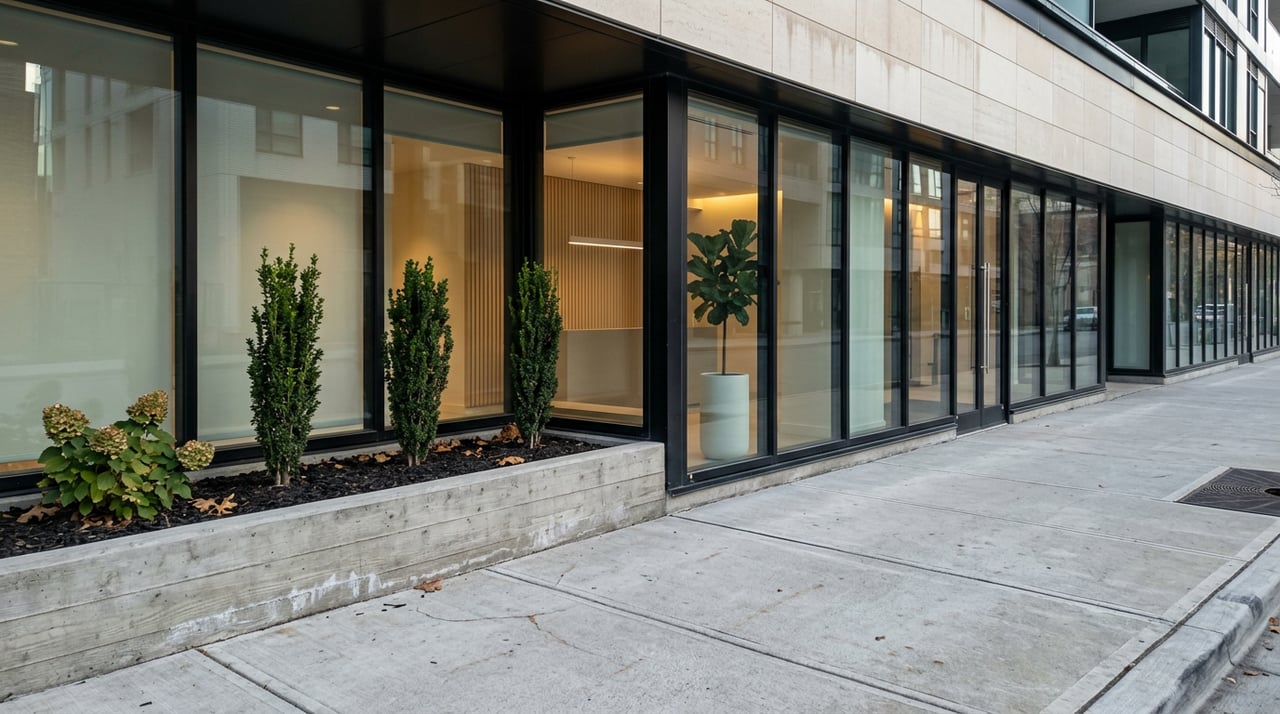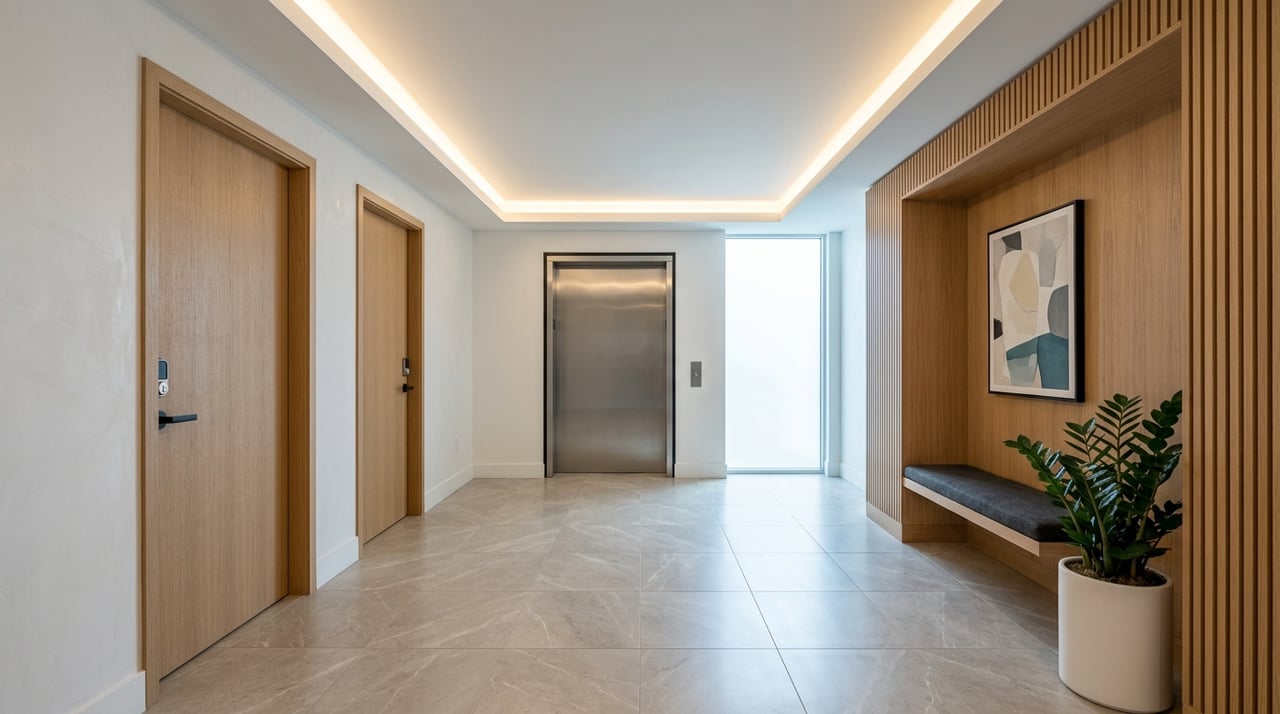
Buying a condo in the Gulch can feel exciting and a little hard to decode at the same time. If you are comparing a brand-new residence with a pre-sale opportunity, you are not just choosing a floor plan. You are also weighing timing, contract terms, HOA structure, delivery risk, and long-term carrying costs. This guide will help you understand how new and pre-sale condos in the Gulch work, what questions to ask, and where today’s opportunities fit into the bigger picture. Let’s dive in.
Why Gulch condos stand out
The Gulch sits between Downtown and Midtown and is widely known for its walkability, dining, and mixed-use environment. According to Visit Music City’s Gulch neighborhood overview, the area is positioned as an upscale, trendy district with easy access to major Nashville destinations.
That setting helps explain why condo inventory here often draws strong interest. The pipeline for true for-sale product has been relatively thin, and Pullman Gulch Union was described as the first residential for-sale condo opportunity in the Gulch since 2015. For many buyers, that scarcity changes the conversation from simple comparison shopping to careful early-positioning.
New condos vs pre-sale condos
A new condo is generally a residence in a recently completed building where you can evaluate the finished product more directly. You may be able to tour common areas, review actual finishes, and get a clearer picture of how the building operates day to day.
A pre-sale condo is purchased before construction is complete, and sometimes before vertical construction begins. In that case, your decision is based more heavily on plans, renderings, specifications, projected budgets, and the strength of the developer and contract documents.
In the Gulch, both options can appeal to buyers who want modern design, newer amenities, and a low-maintenance lifestyle. The right fit depends on how much certainty you want today versus how much flexibility and patience you are comfortable with over time.
Current Gulch condo examples
Today’s Gulch pipeline gives you a useful snapshot of what “new” and “pre-sale” can look like in practice.
Pullman Gulch Union
Pullman Gulch Union launched sales in 2023 and finished construction in 2024. It represents the more immediate end of the new-construction spectrum, where the timeline from launch to delivery was relatively compressed.
Pendry Nashville Residences
Pendry Nashville and Pendry Residences Nashville are planned in Paseo South Gulch with 180 hotel keys and 146 branded condos, with an opening scheduled for 2027. For buyers, this is a classic example of a longer pre-sale horizon where timing and contract review matter.
The Nashville EDITION Residences
The Nashville EDITION Hotel & Residences is planned as a 28-story tower with 261 hotel rooms and 84 residences. Financing was arranged in February 2026, which shows the project is still moving through the development cycle.
Modernest Gulch View
Modernest Gulch View is planned with 131 residences and an early 2027 delivery target just south of the Gulch core. The project is also notable because its marketing highlights flexible ownership, which makes document review especially important if your goals include part-time use or rental flexibility.
How pre-sale purchases usually work
Most pre-sale condo purchases start with an interest list, private appointment, or sales-gallery visit. From there, you may move into a reservation or a purchase contract, along with an earnest-money deposit.
For Tennessee contracts or agreements entered into or amended on or after July 1, 2025, the first 10 percent of the purchase price paid as a condominium deposit must be held in escrow in Tennessee by a qualified escrow holder, as noted on the Nashville EDITION Residences disclosures page. That is an important consumer protection point, but it is still wise to confirm the exact deposit schedule and escrow structure in writing.
You should also expect more than glossy marketing materials. Under Tennessee condominium disclosure requirements, buyers receive a package that may include the declaration, bylaws, rules, budgets, reserve information, assessments, insurance details, pending lawsuits, transfer fees, and whether the board is still under declarant control.
Why delivery timelines matter
One of the biggest differences between completed new construction and pre-sale is certainty around timing. A finished condo lets you evaluate what exists right now. A pre-sale purchase asks you to plan around a projected delivery window that may shift.
Current Gulch projects show how wide that range can be. Pendry is expected in 2027, Modernest targets early 2027, and the EDITION project moved forward with financing in 2026, while Pullman moved from launch in 2023 to completion in 2024. That spread is a reminder to ask not only for the target completion date, but also how much flexibility the contract gives the developer if timelines change.
What can change before closing
With pre-sale condos, the residence you are buying is often presented through renderings, finish boards, and sample materials. Those tools are helpful, but they are not the same as a finished home you can inspect in person.
The Pullman sales materials note that floor plans, features, and prices may change without notice. That means you should ask which features are standard, which are upgrades, and when selections lock. It also means you should review the executed contract carefully rather than relying on early marketing language alone.
HOA costs deserve close attention
In condo purchases, monthly dues are only part of the story. You also want to understand reserve funding, insurance obligations, special-assessment risk, and how the association will function once owners begin closing.
Under Tennessee law governing condominium associations, the unit owners’ association must be organized no later than the first conveyance of a unit. Once formed, the association can adopt budgets, collect assessments and reserves, and manage common elements.
Reserve funding matters because it affects future stability. If common elements have an aggregate replacement cost above $10,000, Tennessee requires reserve studies at least every five years, and the board must review reserve funding annually for adequacy. Buyers should confirm whether a reserve study exists and where it can be reviewed.
Insurance also affects carrying costs. Tennessee law requires the association to maintain property insurance on common elements of at least 80 percent of replacement cost, plus liability coverage. If assessments go unpaid, the association can also charge interest and has statutory lien rights, which shows why the financial health of the building matters to every owner.
Estimating property taxes in Davidson County
If you are budgeting for a Gulch condo, property taxes should be part of the conversation early. According to the Metro Nashville property tax calculator, the current urban services district rate is $2.814 per $100 of assessed value, and Tennessee assesses residential property at 25 percent of appraised value.
Using that formula, a $1 million condo would be about $7,035 per year in property tax before any relief, special assessments, or insurance adjustments. Metro also notes that tax bills are mailed in early October and must be paid in full by the last day of February to avoid interest.
It is also important to remember that a lower tax rate does not automatically mean a lower bill. In the city’s FY2026 budget update, Metro noted that the median home in Davidson County was 45 percent more valuable than at the last reappraisal. For condo buyers, that is a good reminder to budget based on likely value, not just today’s published rate.
Evaluating the upside and the risk
The appeal of buying early in the Gulch is easy to understand. You may gain access to scarce inventory in a walkable district with newer amenities and strong proximity to Downtown, Midtown, Music Row, and the West End.
The tradeoff is that pre-sale purchases require more faith in timing, execution, and paperwork. Pendry’s official materials also note that branding relationships can involve licensed names rather than direct ownership or sales by the brand itself. That is why it is smart to evaluate the actual developer, financing, and legal documents, not just the name on the building.
A strong screening process should include questions about prior local deliveries, financing certainty, realistic completion timing, and how past punch-list and HOA turnover issues were handled. In a detail-heavy market like the Gulch, those factors can matter just as much as views and finishes.
Rental and use rules are project-specific
If you are buying for flexibility, do not assume every new Gulch project has the same rules. Some buildings may allow more flexible use, while others may be primarily residential with tighter rental restrictions.
For example, Modernest Gulch View markets flexible ownership and short-term stays. Other projects may handle rental policies very differently. The right approach is to read the declaration, bylaws, and rules in the disclosure package so you understand use rights before you commit.
Questions to ask before you sign
Before moving forward with a new or pre-sale condo in the Gulch, focus on the details that shape both your risk and your long-term ownership experience.
- What is the exact deposit schedule, and how will deposits be escrowed?
- What features are standard, what costs extra, and when do finish selections lock?
- What are the projected HOA dues, reserve contributions, insurance costs, and possible special-assessment exposures?
- When does declarant control end, and what might the first owner-driven budget look like?
- What is the realistic closing window, and how much timeline slippage does the contract allow?
- If you plan to lease the condo, what do the governing documents say about rental terms and use restrictions?
How to approach the Gulch market confidently
The Gulch is not a market where you want to rush through the paperwork just because the visuals are compelling. Whether you are drawn to a completed new residence or a pre-sale opportunity, the best decision usually comes from balancing lifestyle goals with contract terms, HOA structure, timing, and carrying costs.
That is where experienced local guidance can make a real difference. If you want help comparing buildings, reviewing the practical questions behind a pre-construction purchase, or understanding how a specific Gulch condo fits your goals, Kindy Hensler can help you navigate the process with a concierge-level approach and deep local condo insight.
FAQs
What is the difference between a new condo and a pre-sale condo in the Gulch?
- A new condo is typically in a recently completed building you can evaluate more directly, while a pre-sale condo is purchased before completion and relies more on plans, disclosures, and projected timelines.
What disclosures should buyers receive for a Gulch condominium purchase?
- Tennessee requires a buyer information package that can include the declaration, bylaws, rules, budget information, reserve details, assessments, insurance, transfer fees, pending suits, and declarant-control status.
What should buyers know about condo deposits in Tennessee?
- For qualifying contracts or amendments entered into on or after July 1, 2025, the first 10 percent of the purchase price paid as a condominium deposit must be held in escrow in Tennessee by an approved escrow holder.
What carrying costs matter most for Gulch condo buyers?
- The biggest items usually include HOA dues, reserve funding, insurance costs, property taxes, and the potential for special assessments depending on the building’s budget and common-element obligations.
What should investors review before buying a condo in the Gulch?
- Investors should confirm rental and use rules directly from the declaration and governing documents, review carrying costs, and evaluate the project’s delivery timeline, financing, and HOA structure before committing.