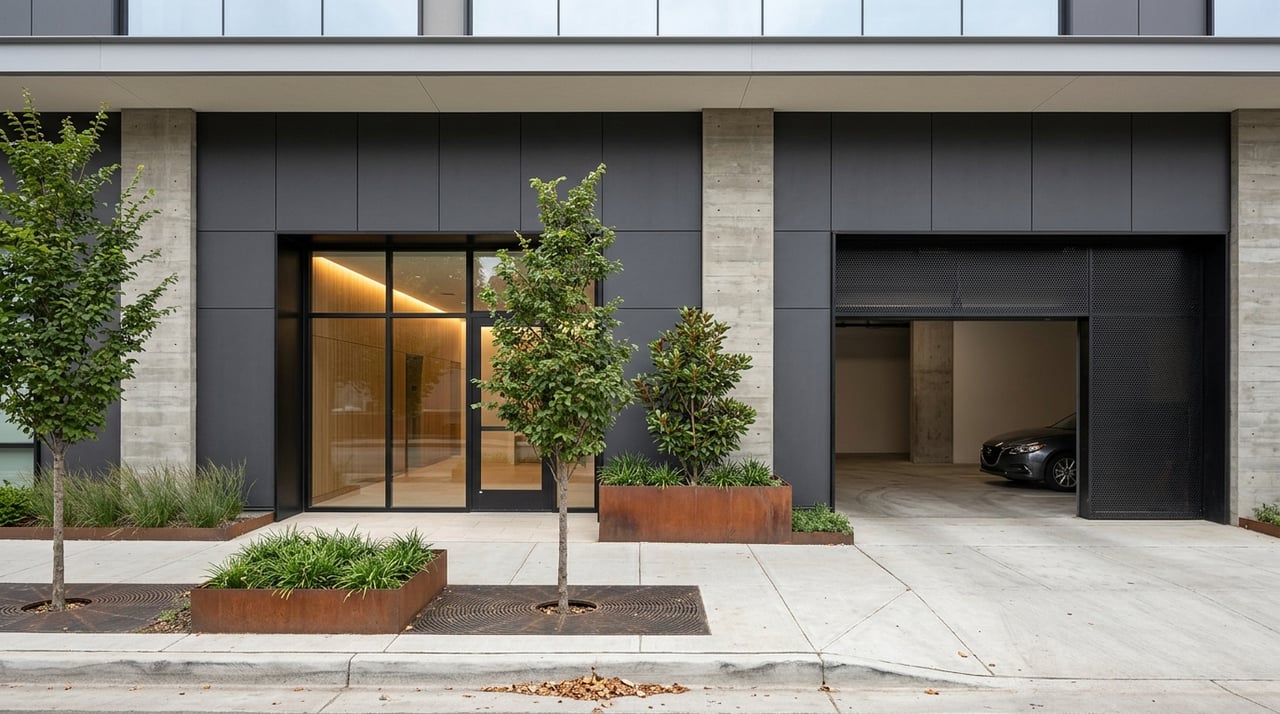
If you love the idea of city living but do not want to rely on your car for every errand, The Gulch offers a practical middle ground. You can walk to many daily stops, use transit or micromobility for short trips, and still have structured parking options when you need them. If you are considering a condo here, understanding how walkability and parking actually work can help you choose the right building and lifestyle fit. Let’s dive in.
Why The Gulch works car-light
The Gulch is designed more like an urban district than a drive-everywhere neighborhood. The official neighborhood site describes it as a walkable, mixed-use area with restaurants, boutiques, nightlife, and high-rise living. It was also the first neighborhood in the South to earn LEED-ND designation, which supports its reputation as a more transit-oriented part of Nashville.
That matters because car-light living is not the same as car-free living. In The Gulch, you can often handle day-to-day needs on foot or by bike, but most residents still benefit from access to a car at least some of the time. This is best viewed as a car-smart neighborhood where you can drive less, not necessarily never drive.
The neighborhood's LEED information adds more context. Within a quarter-mile walk, there are 16 bus stops and 490 daily bus trips, along with bike and walking paths nearby. The same source notes more than 10,000 jobs within a half-mile walk, 20 amenities inside the neighborhood, and on-street parking on 73 percent of new streets.
Walkability in daily life
One of the biggest advantages of The Gulch is how many short trips can stay short. The neighborhood directory is organized around dining, shopping, entertainment, nightlife, amenities, fitness, and art, which reflects how clustered daily activity is here. If you prefer to combine errands with a coffee stop, a workout, or an evening out, that setup can feel very convenient.
Grocery runs and quick errands
A major plus for residents is access to a neighborhood grocery option. The Turnip Truck Urban Fare at 321 12th Ave S offers produce, meat, seafood, prepared foods, coffee, juice, and other grocery staples in a 9,000-square-foot store. For many condo owners and renters, that makes it easier to pick up what you need without planning a longer drive.
If you have a pet, convenience matters in a different way too. The Gulch Dog Park is located near The Turnip Truck, which can make pet-related routines easier to fit into your day. That kind of proximity is part of what makes a walkable district feel functional, not just fun.
Food, coffee, and fitness nearby
The Gulch also supports the kind of everyday rhythm many urban buyers want. The neighborhood directory includes spots like Café Between and E+ROSE Wellness Cafe for coffee or casual meals. It also lists fitness options such as solidcore and Shed Group Fitness.
When those uses sit close together, you may be able to stack your routine into one outing. That can mean less time spent driving across town for basic activities. For buyers relocating from denser cities, this is often one of the most appealing parts of Gulch living.
Green space in an urban setting
Even in a high-rise neighborhood, access to open space still matters. Noble Park, located at 333 11th Avenue South, adds a 10,000-square-foot green space to the area. It is a simple but meaningful feature for residents who want a place to pause, walk, or get outside without leaving the neighborhood.
Getting around without driving daily
If you want to own a car but use it less often, The Gulch gives you more than one backup plan. Public transit, bikes, and scooters all play a role in how residents move through this part of Nashville. The result is a more flexible transportation mix than you may find in many other local neighborhoods.
Bus access and commuting options
WeGo Public Transit currently operates 27 local bus routes and nine regional routes. Local service generally runs every 20 to 60 minutes, and WeGo Central, the main downtown transit station, is located at 400 Dr. Martin Luther King Jr. Boulevard next to Municipal Auditorium. For some commuters, that network makes a bus-plus-walk routine a realistic option.
The Gulch's LEED data is especially helpful here. With 16 bus stops and 490 daily bus trips within a quarter-mile walk, residents have meaningful nearby service. Route 17 on 12th Avenue South also connects to routes 7, 75, and 77, which can improve access to other parts of the city.
Cost is another factor many buyers consider. WeGo's local fare is $2 for two hours of unlimited rides, $4 for a full day, and $65 for a full calendar month through QuickTicket. If you are trying to reduce driving costs, those numbers help frame what a lighter-car lifestyle may look like in practice.
Bikes and scooters for short hops
Micromobility is part of the transportation picture in Nashville, and that is relevant in The Gulch. Nashville's shared bike and scooter program allows riders to rent Bird, Lime, and Spin e-bikes or scooters through mobile apps. The devices use geofencing for slow zones, no-ride zones, and no-parking zones, which adds structure to how they are used in busy areas.
According to NDOT, downtown corrals can hold more than 150 e-bikes and 1,500 scooters, and these devices can now be used throughout the county. NDOT also notes that Nashville has expanded bikeways and greenways, added bike racks to all city buses, and required secure bicycle parking in many new developments. That makes biking and short scooter trips feel more integrated into the transportation system.
A particularly important local improvement is the 12th Avenue South project. NDOT says the section between The Gulch and 12 South was the city's top bikeway priority, and the finished work includes physically protected bike lanes, safer crossings, bus stop improvements, and repaving. The segment from 11th Avenue South to South Street serves as a gateway into The Gulch and Downtown and connects to WeGo route 17.
For residents who prefer docked bike share, Nashville Public Library offers BCycle passes that allow unlimited two-hour trips for one week. Those passes can be returned to any Nashville BCycle station. For some residents, that can be a useful option for occasional rides without owning a bike.
What parking really looks like
Parking is one of the biggest questions buyers ask before moving into The Gulch. The answer is usually more structured than many people expect. In this neighborhood, parking tends to be governed by city rules at the curb and building documents inside condo communities.
On-street parking rules
On-street parking in The Gulch is managed by Metro Nashville. Street parking is priced at $2.25 per hour with a 3-hour maximum. In the Gulch East area, the limit is listed as 3 hours until 5 p.m. and 7 hours after 5 p.m., and NDOT identifies The Gulch as Zone 3 in the Central Parking District, where enforcement runs 24 hours a day.
That means curb parking can be useful, but it is not a substitute for dedicated resident parking. It may work well for guests, quick visits, or short-term needs, but residents should plan around the time limits and around the fact that private lots and garages are managed separately from Metro's curbside system.
Building parking is document-driven
In many Gulch condo buildings, parking is built into the property itself. For example, Terrazzo lists underground parking, while The James lists access-controlled garage parking along with secure bicycle storage and a repair station. These examples reflect a common pattern in the neighborhood, where parking is typically integrated into the building rather than spread across open surface lots.
Just as important, condo parking is not one-size-fits-all. Tennessee condominium law requires the declaration to specify how limited common elements are allocated, and parking often falls into that category. In plain English, the number of spaces, who has rights to them, and whether they can be reassigned usually depend on the building's governing documents.
This is a key point for buyers. Two condos with similar square footage and similar views may offer very different parking arrangements. If parking matters to your daily routine, it is worth reviewing the specific documents for the building and unit you are considering.
How to choose the right Gulch setup
A car-light lifestyle looks different for different people. Some buyers want to walk for coffee, groceries, and dinner but still drive to work. Others may commute by bus, use scooters for short hops, and mostly keep a car parked for weekends.
As you compare options, it helps to think through a few questions:
- How often do you need to drive during a typical week?
- Would one dedicated parking space be enough for your household?
- Do you want secure bike storage in the building?
- How important is a grocery store within walking distance?
- Would nearby bus access meaningfully change your routine?
- Do you expect frequent overnight or evening guests who may need parking?
Those answers can shape which building feels most practical. In The Gulch, lifestyle fit often comes down to the mix of walkability, transit access, and the specific parking setup tied to the condo.
Why local condo guidance matters
In a neighborhood like The Gulch, the details matter. Walkability may look great on a map, but the day-to-day experience often depends on where your building sits, what is nearby, and how the building handles parking and bike storage. That is especially true for relocators who are comparing Nashville to other urban markets.
An experienced local condo broker can help you look beyond the surface. That includes reviewing building-specific parking arrangements, understanding amenity tradeoffs, and matching your routine to the right part of the neighborhood. In a high-rise market, those practical details can make a big difference in how your home works for you long after closing.
If you are weighing a move to The Gulch or preparing to sell a condo here, working with a neighborhood specialist can make the process much smoother. For tailored guidance on Gulch buildings, walkability, and condo parking details, connect with Kindy Hensler.
FAQs
Is The Gulch a car-free neighborhood in Nashville?
- No. The most accurate description is car-light or car-smart, since many errands can be done on foot or by bike, but most residents still benefit from having access to a car some of the time.
How walkable is daily life in The Gulch?
- The Gulch is set up for short trips, with grocery, coffee, dining, fitness, entertainment, and some green space located within the neighborhood.
What grocery options are in The Gulch?
- The Turnip Truck Urban Fare at 321 12th Ave S provides produce, meat, seafood, prepared foods, coffee, juice, and additional grocery staples.
What public transit serves The Gulch?
- The neighborhood's LEED data reports 16 bus stops and 490 daily bus trips within a quarter-mile walk, and Route 17 on 12th Avenue South connects with several other WeGo routes.
What does street parking cost in The Gulch?
- Metro Nashville manages on-street parking at $2.25 per hour, generally with a 3-hour maximum, though parts of Gulch East have a 7-hour maximum after 5 p.m.
How does condo parking work in The Gulch?
- Condo parking is typically governed by the building's documents, which define how spaces are allocated, who can use them, and whether they can be reassigned.
Are bikes and scooters practical in The Gulch?
- Yes. Nashville supports shared e-bikes and scooters, expanded bikeways, bike racks on city buses, and protected bike lane improvements that connect into The Gulch area.