Moving to Nashville from another state can feel simple on paper until you realize condo buying in The Gulch is about much more than square footage. You are not just choosing a unit. You are choosing a building, an HOA, a parking setup, a tax district, and a fast-moving downtown lifestyle. If you are planning a remote move, this guide will help you understand what to review, what to expect, and how to make a more confident decision before you ever pack a box. Let’s dive in.
Why The Gulch Feels Different
The Gulch is a 91-acre downtown neighborhood between the Historic Core and Midtown, just two blocks from Music City Center. Official neighborhood sources describe it as walkable and connectivity-oriented, with wide sidewalks, bike lanes, shared paths, and WeGo bus connections. For you as an out-of-state buyer, that means daily life can look very different from a suburban routine.
This is also a dense mixed-use district where residents, visitors, dining, shopping, and events overlap throughout the day. That energy is part of the appeal for many buyers. At the same time, it means your condo decision should include more than finishes and views.
The Gulch was the first neighborhood in the South to earn LEED-ND designation. It is also managed within a business-improvement-district framework led by the Nashville Downtown Partnership, with services that prioritize cleaning, safety, landscaping, public-space management, and neighborhood marketing. In other words, your day-to-day experience may be shaped by both your building and the district around it.
Start With Lifestyle, Not Just Listings
When you are relocating from out of state, it is easy to focus on photos, floor plans, and amenity lists. In The Gulch, it is just as important to think about how you want your day to feel. The same block can feel calm at one hour and much more active later in the day.
A smart first step is to narrow your search by lifestyle fit. Think about how often you walk, whether you plan to keep one or two cars, how important quick rideshare access is, and how comfortable you are with an active downtown environment. Those details can shape which building, unit placement, and parking setup make the most sense for you.
How To Tour The Gulch Remotely
A virtual showing can be effective, but it needs to go beyond the inside of the condo. The official neighborhood guidance makes clear that The Gulch has an active mix of locals and visitors every day, plus regular events. That is why it helps to evaluate a tower at different times, not just during a quiet weekday window.
During a remote tour, ask to see more than the lobby and living room. You should also review:
- Building entry and exit flow
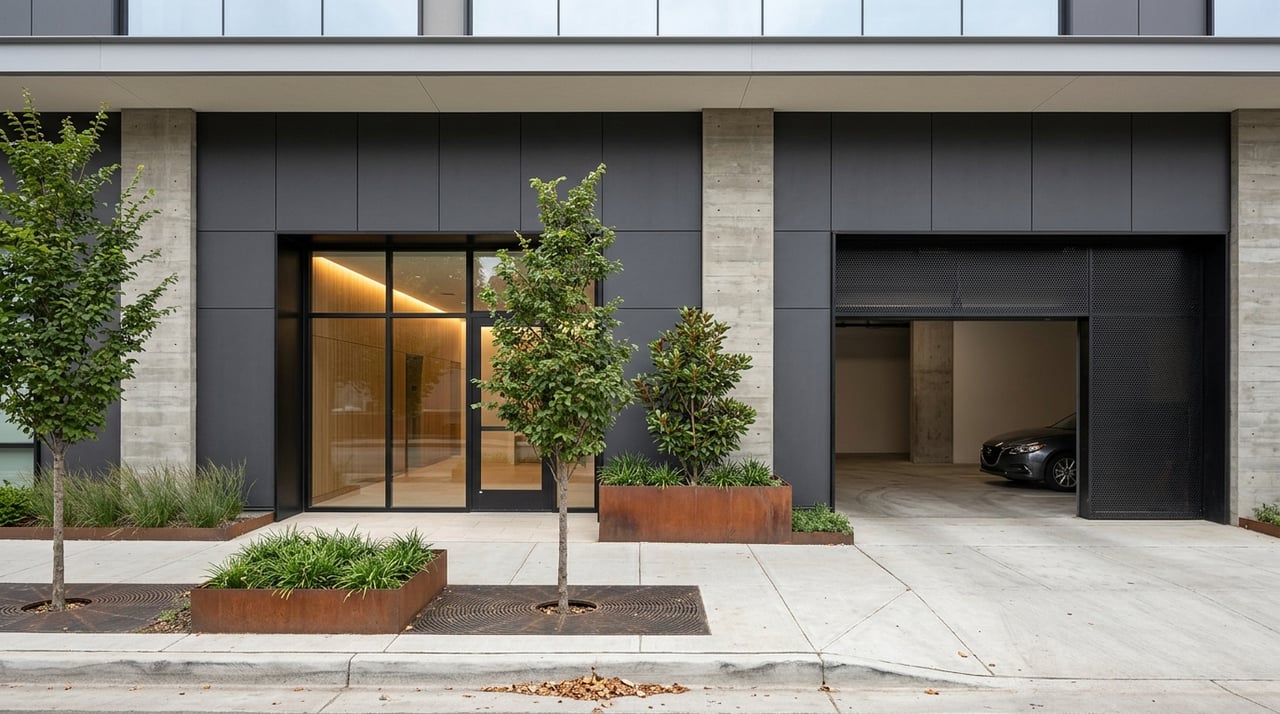
- Garage access and assigned parking
- Guest parking options
- Loading areas for move-in day
- Street conditions around the building
- Walk routes to nearby daily conveniences
- Rideshare pickup and drop-off patterns
These details matter because they can affect your routine more than a polished kitchen photo ever will.
Request The HOA Documents Early
One of the most important parts of an out-of-state condo purchase happens before you travel, or even if you never travel at all. In Tennessee, the condominium association must provide requested condo information within 10 business days, and the request or response may be handled electronically by email or website link. If the project is still under construction, the declarant has the same 10-business-day window, and unavailable information must be delivered at least 10 business days before closing.
That timeline is a key scheduling checkpoint for remote buyers. If documents come in late, your review window gets compressed and your closing timeline can become less predictable. Asking early gives you more time to review the packet carefully and raise questions while there is still room to act.
What To Review In The Condo Packet
Tennessee requires a broad set of association documents and financial disclosures. This is where many of the real answers live, especially in a high-rise building.
Your review should include the association’s:
- Declaration
- Bylaws
- Charter or articles
- Current rules and regulations
- Most recent balance sheet
- Income statement
- Approved budget
- Reserve information
- Projected annual and monthly common-expense assessments
- Debt or leases tied to common elements or amenities
- 24 months of meeting minutes
- Current monthly assessment for the unit
- Any special assessment on the unit
- Transfer fees
- Amenity-use fees
- Insurance coverage details
- Pending suits and unsatisfied judgments
- Delinquent assessment totals
- Status of board control, including whether the board is still under declarant control
If you are buying from another state, this packet is not paperwork to skim. It is one of the clearest ways to understand how the building operates and what ownership may really cost.
Pay Special Attention To Reserves And Assessments
In a high-rise condo, the budget deserves extra attention. Tennessee law requires assessments to be made at least annually based on an annual budget, and residential condos can levy reserve assessments to preserve the physical integrity of the property or comply with government requirements.
That is why reserve funding matters so much. You want to understand whether the association appears to be planning ahead or reacting later. You should also look closely at any history of special assessments and any language that gives the board broad authority to levy future assessments.
Unpaid assessments can become a lien on the unit. For a remote buyer, that makes it even more important to treat delinquencies, litigation, reserve weakness, or unusual fee structures as real decision points rather than small administrative details.
Ask The Right Questions About New Construction
If you are considering a new-development or first-sale condo, add a few more questions to your process. Ask whether the project is still under declarant control and whether your purchase deposit is being held in Tennessee escrow.
Tennessee law requires deposits made in connection with a unit purchase or reservation from a declarant to be held in an in-state escrow arrangement until closing, refund, default, interpleader, or court order. If the declarant is still controlling the project and the disclosure packet is delayed, you may have the right to rescind or extend closing. That makes timing and documentation especially important in pre-construction and newer buildings.
Can You Close From Another State?
Yes, in many cases you can. Tennessee authorizes remote online notarization, which means a notarial act can be performed through two-way video and audio conference technology. That can make a big difference when you are balancing a move, a work schedule, and a closing date.
Davidson County also supports remote filing and eRecording through partner platforms, which helps create a smoother path from signed documents to official recording. If your title team needs deed research or post-closing document retrieval, the Davidson County Register of Deeds also maintains online services with index coverage beginning in 1964 and images available from 1784 to the present.
The big takeaway is simple: closing remotely is realistic, but it works best when everyone plans ahead. Your lender, title team, and agent should align early so there are no last-minute surprises.
Budget For More Than The Mortgage
When you relocate to a Gulch condo, your monthly budget may look different from what you are used to in another market. Along with your loan payment, you may need to account for HOA dues, possible amenity fees, parking-related costs, and moving logistics tied to a downtown building.
Property taxes also need a closer look. In Tennessee, condo units are separately taxed and assessed once there is a unit owner other than the declarant. Davidson County calculates property taxes using appraised value, assessment ratio, and tax rate, and residential property is assessed at 25% of appraised value.
Davidson County also uses separate General Service and Urban Service districts. For a Gulch condo, you should confirm the unit’s taxing district and verify the current rate before closing rather than rely on a broad Nashville estimate.
Understand Parking Before You Commit
Parking is one of the biggest adjustment points for many out-of-state buyers. The official Gulch parking page says street parking is managed by Metro Nashville and is currently posted at $2.25 per hour with a 3-hour maximum. Gulch East has a 7-hour maximum after 5 PM, and private lots and garages are separate.
That means you should not assume guest parking will be easy or that a second vehicle will fit naturally into your routine. Before you commit to a building, ask very direct questions about:
- Assigned resident parking
- Guest parking rules
- Loading access
- Second-car storage options
- Rideshare pickup patterns
- Nearby private garage options if needed
In a downtown condo, parking is not a side detail. It is part of how the property functions every day.
Know What Daily Life May Feel Like
The Gulch offers a highly connected, walkable lifestyle, and that is exactly why many buyers are drawn to it. At the same time, convenience comes with more shared-space management and more public activity than you may find in a detached-home setting.
The Downtown Partnership says its clean team serves The Gulch daily and safety ambassadors supplement Metro services, while the Gulch Business Improvement District prioritizes cleaning, safety, beautification, landscaping, and public-space management. Those services can help support the neighborhood experience, but they also reflect the reality of living in a busy urban district.
If you are relocating from a quieter area, it helps to set expectations early. The right condo is not just the one with the best finishes. It is the one that matches your comfort level with walkability, activity, parking structure, and downtown rhythm.
A Smarter Out-Of-State Buying Plan
If you want your move to feel more manageable, keep the process simple and structured. A strong out-of-state condo plan usually looks like this:
- Define your daily lifestyle needs before touring units.
- Narrow your search by building, parking setup, and location within The Gulch.
- Tour units and surrounding access points virtually at different times of day.
- Request HOA documents as early as possible.
- Review reserves, assessments, insurance, litigation, and meeting minutes carefully.
- Confirm tax district, parking details, and any transfer or amenity fees.
- Coordinate remote closing logistics with your lender, title team, and agent early.
That structure can save you time, reduce surprises, and help you compare options more clearly.
Relocating to The Gulch can be an exciting move, especially if you want a home base that puts you close to downtown Nashville’s energy and convenience. The key is to look beyond the unit itself and evaluate the full ownership picture, from HOA health to parking flow to closing logistics. If you want a local expert who understands high-rise details, building-by-building differences, and the realities of buying remotely, Kindy Hensler can help you move with more clarity and confidence.
FAQs
How long does HOA document review take for a Gulch condo?
- In Tennessee, the association must provide requested condo information within 10 business days, and incomplete project information must be delivered at least 10 business days before closing.
Can you close on a Nashville condo while living in another state?
- Yes. Tennessee authorizes remote online notarization, and Davidson County supports remote filing and eRecording.
What should you review in a Tennessee condo document packet?
- Focus on reserves, monthly assessments, special assessments, insurance, pending suits, unsatisfied judgments, transfer fees, amenity fees, meeting minutes, and whether the board is still under declarant control.
What parking details matter most when buying in The Gulch?
- You should confirm assigned parking, guest parking rules, loading access, second-car options, and how street parking and nearby private garages work.
How are property taxes calculated for a Gulch condo?
- Davidson County calculates taxes using appraised value, assessment ratio, and tax rate, and residential property is assessed at 25% of appraised value. You should also verify the unit’s specific taxing district before closing.
What makes The Gulch lifestyle different from a suburban home purchase?
- The Gulch combines walkability, mixed-use density, event activity, managed district services, and stricter parking patterns, so your daily routine may feel more urban and more shared than in a detached-home setting.