If you own a condo in The Gulch, you may be sitting on a rental opportunity that deserves more strategy than a simple listing and a few photos. This neighborhood’s walkable layout, central location, and condo-focused housing stock can support strong demand from renters looking for convenience and an easy urban lifestyle. If you want to attract the right tenant and protect your property’s value, it helps to understand both the appeal of The Gulch and the rules that shape your options. Let’s dive in.
Why The Gulch Works for Rentals
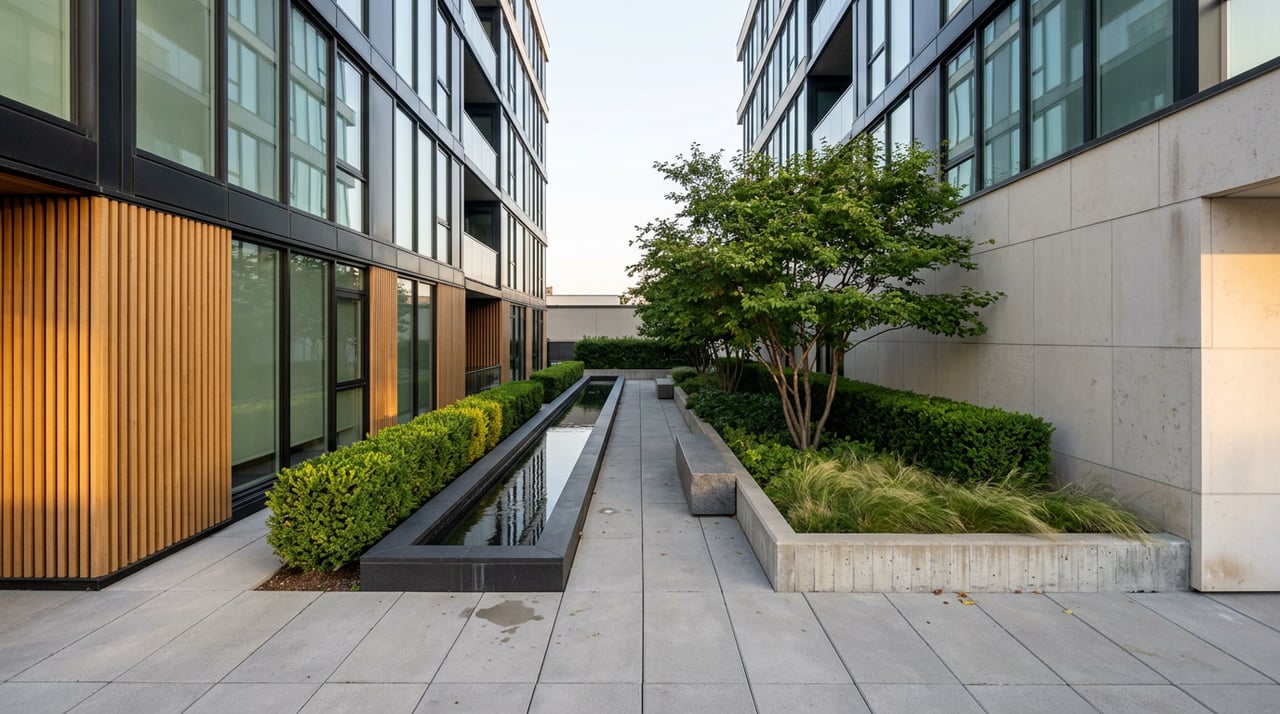
The Gulch is one of Nashville’s most urban condo neighborhoods, and that matters when you position a unit for lease. Local sources describe it as a walkable, LEED-certified district between the Historic Core and Midtown, with high-rise residences, sidewalks, bike lanes, shared paths, and WeGo transit access.
It also sits close to Music City Center and offers easy access to dining, shopping, live music venues, boutique hotels, and business activity. That mix can make the area especially appealing to tenants who want a low-maintenance home base with strong day-to-day convenience.
For owners, that means your condo is not just competing on square footage alone. In The Gulch, renters are often comparing lifestyle, location, building amenities, and how easy the unit feels to live in from day one.
Start With the Lease Strategy
One of the first decisions is whether you plan to lease your condo for 30 or more days or pursue a short-term rental model. In Nashville, that distinction is important.
Metro says a residential dwelling rented to the same occupant for more than 30 continuous days is not considered a short-term rental property. By contrast, short-term rental use requires a Metro permit before listing, and permit holders must follow additional rules, including tax obligations and address-based eligibility review.
For many Gulch condo owners, a 30-plus-day or traditional lease offers a simpler path. It typically involves less operational complexity than a short-term rental model, while still aligning with the neighborhood’s appeal as a central, lock-and-leave urban location.
Understand Nashville’s Basic Rental Requirements
A long-term lease is generally simpler than a short-term rental, but it is not hands-off. Metro requires landlord registration for residential rental properties, including updates when a property changes from owner-occupied to rental use or when ownership or management changes.
That step matters because noncompliance can trigger a $50-per-week fine. Davidson County landlords and renters are also subject to the Tennessee Uniform Residential Landlord and Tenant Act, so it is wise to treat the setup of your rental as a formal process, not an afterthought.
If you are preparing to lease your condo, your checklist should include:
- Confirming the intended lease term
- Completing Metro landlord registration
- Updating ownership or management information if needed
- Making sure your advertising and screening practices follow fair housing and tenant-rights rules
HOA Rules Can Make or Break the Plan
Before you furnish the unit, estimate rent, or market it, review your condo documents carefully. In many buildings, the declaration, bylaws, amendments, rental caps, lease approval rules, or minimum lease terms can control what is actually allowed.
This is especially important in condo buildings where owners assume the city rules are the only rules that matter. They are not. Metro’s own short-term rental checklist requires applicants to confirm that the use does not violate HOA agreements, condominium agreements, covenants, codes, restrictions, or other governing documents.
The practical takeaway is simple: your building may be more restrictive than the city. If you skip this step, you could spend time and money preparing a rental strategy that your condo documents do not permit.
Position the Unit for the Gulch Lifestyle
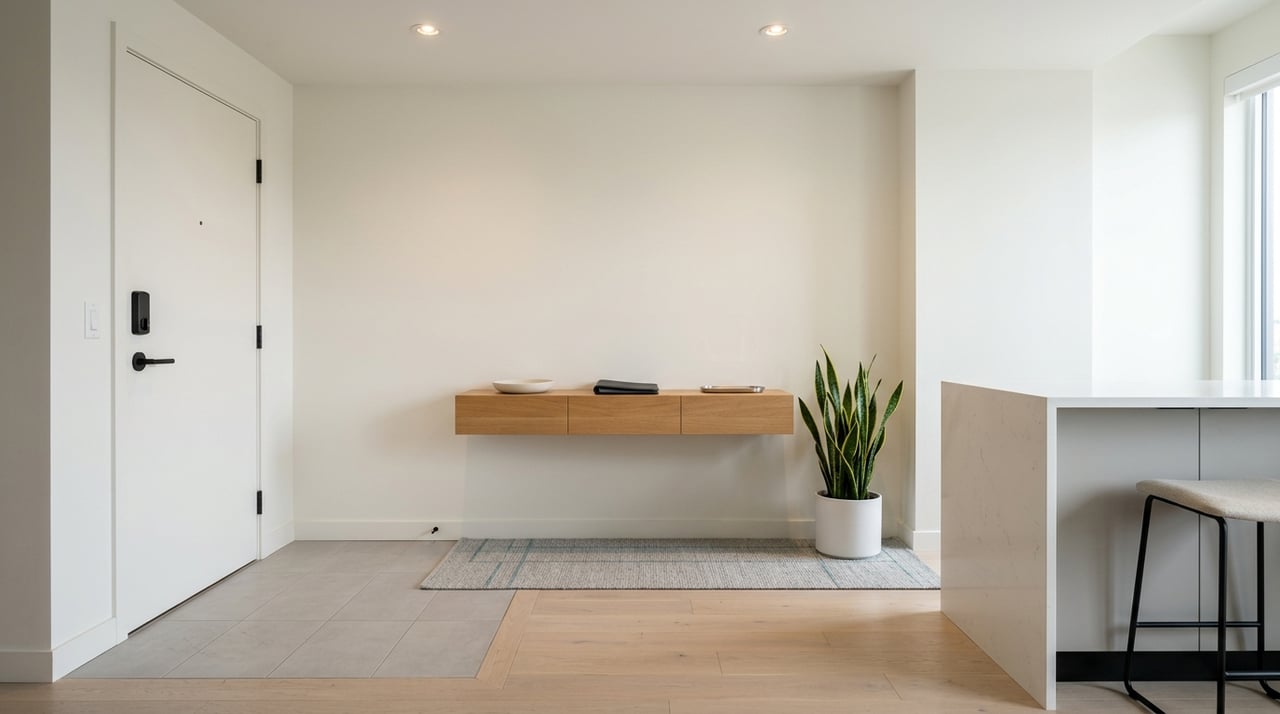
In a neighborhood like The Gulch, presentation matters because renters often expect a polished, move-in-ready experience. A condo that feels functional, clean, and easy to maintain will usually compete better than one that feels overly personalized or unfinished.
Features that tend to fit this market well include:
- Secure entry
- Elevator access
- Reserved or garage parking, if available
- Usable storage
- Good natural light
- A functional layout with room for daily living and work
If your building offers concierge service, fitness areas, rooftop spaces, package handling, or other shared amenities, those should also be part of the positioning. In an urban condo market, building amenities can carry real weight alongside the unit itself.
Furnishing Choices Matter More Than You Think
If your goal is a 30-plus-day lease or a traditional rental, a furnished or partially furnished approach may fit The Gulch better than leaving a unit in a purely owner-occupied setup. This is not a legal requirement, but it is a practical strategy based on the neighborhood’s urban, convenience-driven profile.
A strong furnishing plan usually starts with neutral, durable pieces that photograph well and hold up over time. You want the condo to feel current and comfortable, but not so styled that a tenant struggles to imagine living there.
Consider prioritizing:
- Durable neutral furniture
- A real desk or work surface
- Quality window coverings
- Enough seating for everyday use and guests
- Practical storage where possible
This kind of setup can support stronger appeal, easier turnover, and a more polished presentation in marketing.
Make Move-In Ready the Standard
Condition is a major part of rental positioning, especially in a high-rise setting where tenants often expect a clean, low-maintenance home. Metro states that buildings in Davidson County must be maintained in good general condition and kept clean, safe, and sanitary.
That makes preparation more than a cosmetic exercise. Before listing, it is smart to look at your condo through a renter’s eyes and ask whether it feels seamless, cared for, and ready for immediate occupancy.
Focus on the basics first:
- Repair visible wear and tear
- Deep clean the entire unit
- Service key systems and appliances
- Refresh paint if needed
- Remove highly personal design choices where possible
- Make sure lighting, hardware, and window treatments feel complete
In The Gulch, renters often respond to units that feel professionally prepared rather than casually offered.
Use the Right Marketing Angles
Your marketing should reflect what makes The Gulch distinct without drifting into vacation-rental language if your plan is a longer lease. The most defensible themes for this neighborhood are walkability, centrality, convenience, and access to Downtown and Midtown.
You can also highlight proximity to Music City Center, restaurants, retail, live music venues, boutique hotels, sidewalks, bike lanes, and WeGo transit. These are factual, local advantages that help a renter understand the day-to-day value of the location.
For a 30-plus-day or traditional lease, the positioning language should stay aligned with that use. Phrases such as these fit the neighborhood profile well:
- Furnished executive rental
- Relocation-ready condo
- Lock-and-leave urban base
That framing helps set expectations and attracts renters looking for a polished urban living experience rather than a transient stay.
Avoid a Common Owner Mistake
A common mistake is treating all rental strategies as interchangeable. In reality, a condo suited for a strong 30-plus-day lease may not be a practical or permitted short-term rental.
If you are even considering short-term use as a backup plan, Metro says you should verify address-based eligibility before investing in that strategy. The permit process is more involved and may require proof of taxes, a floor plan, liability insurance of at least $1 million per occurrence, adjacent-owner notification, an HOA statement, and in some multifamily structures a Fire Marshal inspection.
Metro also states that a property is not authorized to be listed until the permit is issued, and the permit number or image must appear in the listing. For many owners, that level of complexity makes a well-positioned 30-plus-day lease the more practical fit.
A Smart Gulch Rental Strategy
For many condo owners, The Gulch is best positioned as a premium urban hold rather than a high-turnover lodging play. The neighborhood’s mix of walkability, high-rise living, transit access, and dining and retail convenience supports a rental strategy built around steady demand, strong presentation, and lower day-to-day complexity.
The best results usually come from getting the fundamentals right early. That means confirming condo rules, choosing the right lease structure, preparing the unit to feel turnkey, and marketing the home in a way that matches both the building and the neighborhood.
If you are thinking about leasing your condo in The Gulch, a building-specific and strategy-driven approach can make a meaningful difference in how your property performs. For tailored guidance on condo positioning, leasing support, and high-rise strategy in central Nashville, connect with Kindy Hensler.
FAQs
What lease term keeps a Gulch condo outside Nashville short-term rental rules?
- A rental to the same occupant for more than 30 continuous days is generally not considered a short-term rental property in Nashville.
What should condo owners in The Gulch review before listing a unit for rent?
- You should review the condo declaration, bylaws, amendments, rental caps, minimum lease terms, and any approval requirements before marketing the unit.
Does Nashville require landlord registration for a Gulch condo rental?
- Yes. Metro requires landlord registration for residential rental properties, including updates when a property changes from owner-occupied to rental use or when ownership or management changes.
What features can make a Gulch condo more appealing to renters?
- Secure entry, elevator access, parking if available, storage, natural light, functional layout, and building amenities like fitness areas, package handling, or concierge service can all help.
How should you market a condo rental in The Gulch?
- Focus on walkability, convenience, central location, and access to Downtown and Midtown, while using longer-term rental language such as furnished executive rental or relocation-ready condo.